

Sing Aotearoa: Voices, Place and Connection
2 Jul 2026
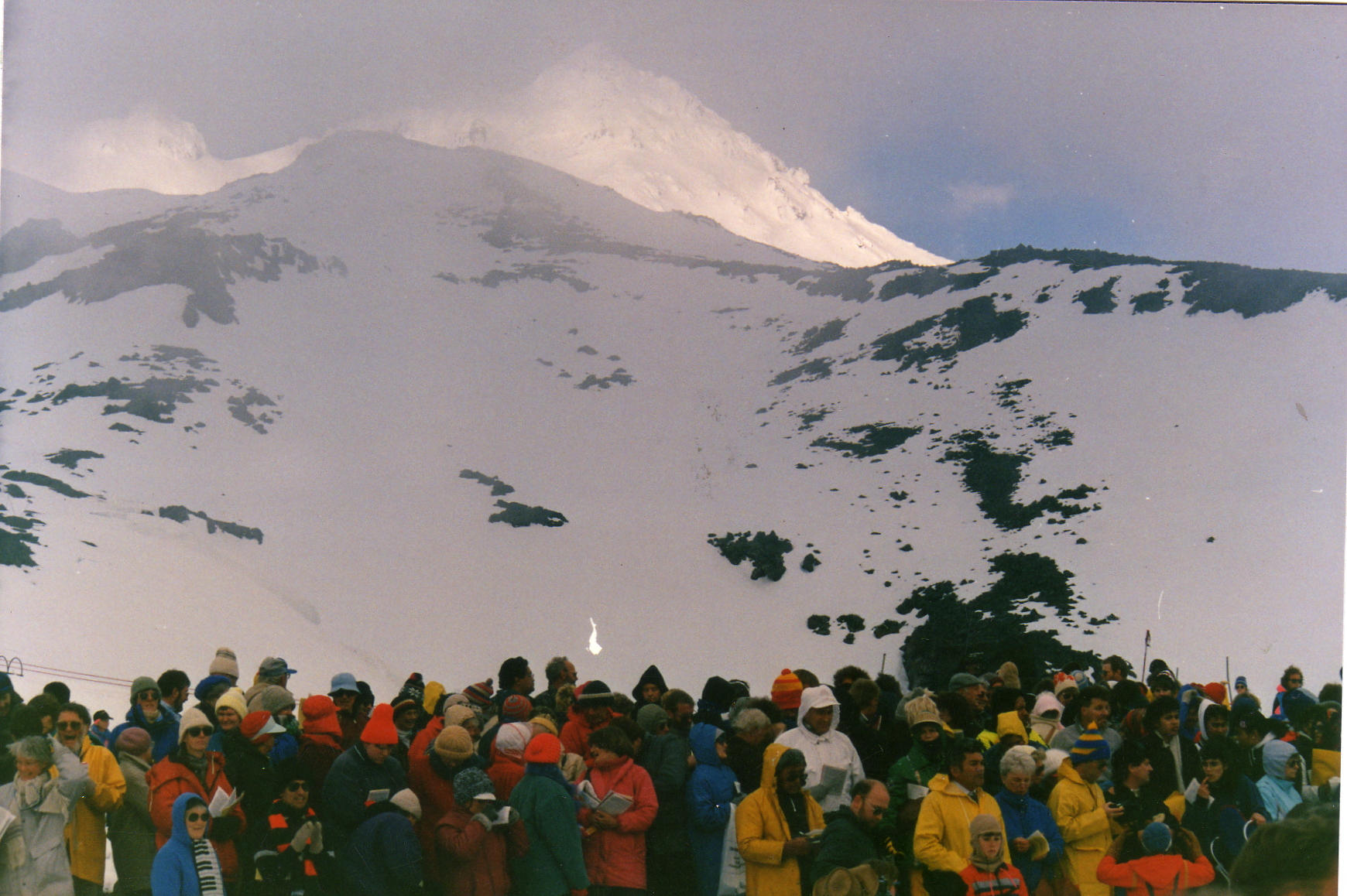
When the New Zealand Choral Federation conceived the first Sing Aotearoa festival, it was planned as part of New Zealand's 1990 commemoration of the 150th anniversary of the signing of Te Tiriti o Waitangi. NZCF itself was only four years old, but National Secretary Graham Hoffman and the festival steering committee recognised an opportunity to create something truly distinctive.
Writing to a contact in Ohakune during the planning stages, Graham reflected: "We in Auckland have had plenty of time for the seed of the idea to grow and now see the main thrust of the occasion aimed at linking the spirit of the natural musical instrument, the human voice, with the beauty and diversity of the natural environment."
More than three decades later, those same connections will be celebrated at Sing Aotearoa 2026 in Rotorua.
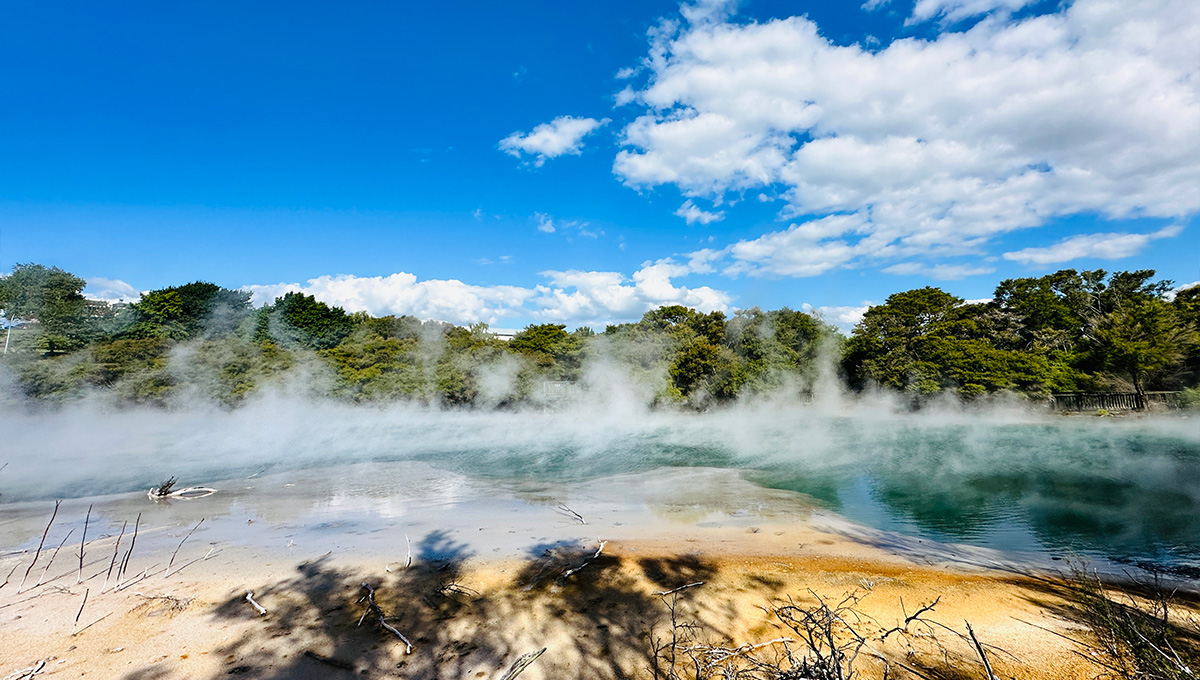
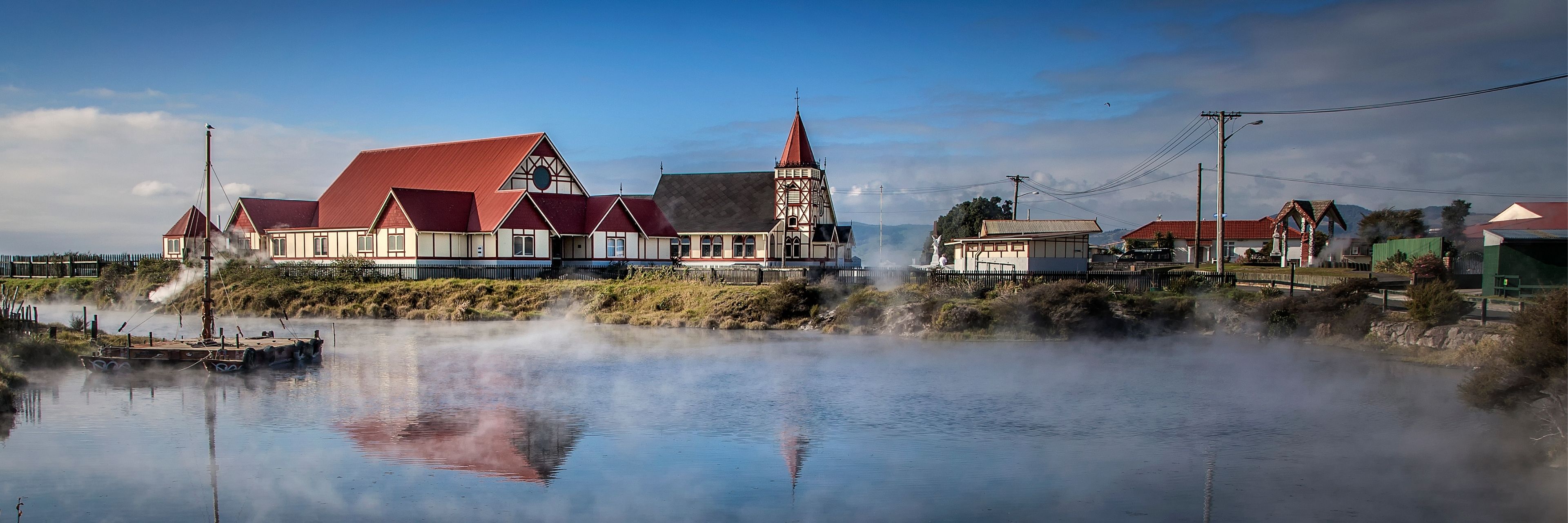
Saturday morning will begin with a pōhiri* at Tamatekapua, the magnificent meeting house on Te Papaiōuru Marae in Ōhinemutu. On Sunday afternoon, delegates will gather again for a special "scenic sing" in the unique geothermal surroundings of Kuirau Park.
* Pōhiri is the local mita (dialect) of Te Arawa.
A welcome at Te Papaiōuru Marae
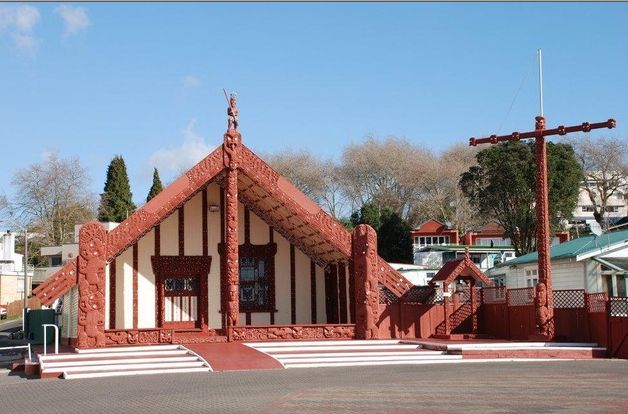
Its carved wharenui, Tamatekapua, is named after Tama-te-kapua, captain of the Te Arawa waka that arrived in Aotearoa around the 14th century. The present meeting house, renowned for its beauty and intricately carved interior, was originally opened in 1873. Although the building was dismantled in 1939 and rebuilt before reopening in 1943, some of its carvings are believed to be considerably older.
NZCF is grateful to Elizabeth Pilaar and Kingi Biddle, Mātauranga Māori Specialist from Ngati Whakaue, whose guidance and support have been invaluable in preparing this important ceremony of welcome. Delegates will receive information about the pōhiri process as part of their festival registration materials.
Singing amidst the steam
Sunday's ‘scenic sing’ will take place in another uniquely Rotorua setting: Kuirau Park, just a 15-minute walk from the Sir Howard Morrison Centre.
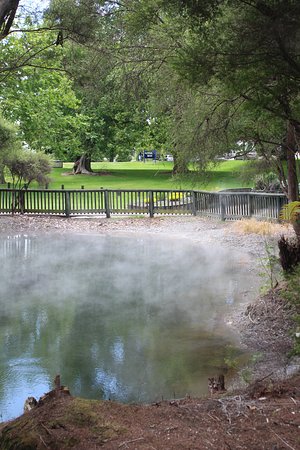
The park also carries a powerful local story. In earlier times, the lake at its centre was known as Taokahu and was said to be much cooler than it is today. According to Māori legend, a beautiful young woman named Kuiarau was bathing there when a taniwha dragged her beneath the lake. Angered by this act, the gods caused the waters to boil, destroying the creature. Ever since, the lake and the steaming landscape surrounding it have borne Kuiarau's name.
It is a fitting setting for a gathering of singers: a place where natural forces, cultural history and human stories come together.
An invitation to participate
In that 1989 planning letter to his Ohakune contact, Graham Hoffman went on to identify three key ideas that would underpin the festival: "Invitation (conveying an association of hosts, guests, welcome, comfort and pleasure), representation (encouraging and facilitating wide participation) and recreation (both the actual and literal meaning of the word)."
Those principles remain at the heart of Sing Aotearoa today.
NZCF warmly invites you to join us in Rotorua: to represent your choir and community, to connect with fellow singers from across Aotearoa, and to immerse yourself in a festival that celebrates music, culture, friendship and place.
We look forward to welcoming you to Sing Aotearoa 2026.